
When it comes to revamping your home, one crucial aspect to consider is the average cost for new siding. This cost can vary based on several factors, from the type of material you choose to the expertise of the contractor you hire.
Dive into this comprehensive guide to explore all you need to know about the average cost for new siding and make an informed decision for your home renovation project.
Factors Affecting Average Cost for New Siding
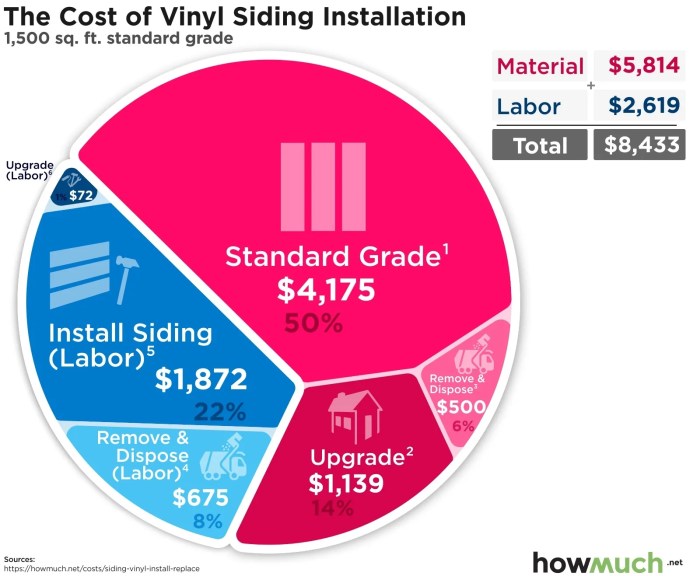
When considering the average cost for new siding installation, several key factors come into play that can significantly impact the overall expense. Factors such as material choice, labor costs, project scope, location, and contractor expertise all play a crucial role in determining the final cost of installing new siding on a property.
Material Choice
The type of siding material chosen for a project can have a substantial impact on the overall cost. Different materials, such as vinyl, fiber cement, wood, or metal, come with varying price points and installation complexities. For example, vinyl siding tends to be more affordable compared to fiber cement or wood siding, which can be pricier but offer different aesthetic and durability benefits.
Labor Costs
Labor costs are another significant factor influencing the average cost of new siding installation. The amount of labor required for the project, as well as the expertise of the contractors performing the installation, can greatly affect the total cost. More complex projects that require extensive labor or specialized skills may come with higher labor costs, impacting the overall expense.
Project Scope
The scope of the siding installation project, including the size of the property, the number of stories, and any additional features or customizations, can also impact the average cost. Larger properties or projects that involve intricate designs or unique requirements may require more materials and labor, resulting in a higher overall cost.
Location and Contractor Expertise
The geographical location of the property and the expertise of the contractors involved can also influence the average cost for new siding installation. Prices can vary based on regional labor rates, material availability, and local building codes. Additionally, contractors with specialized experience or certifications may charge higher fees for their services, impacting the total cost of the project.
Types of Siding Materials and Their Cost Variations
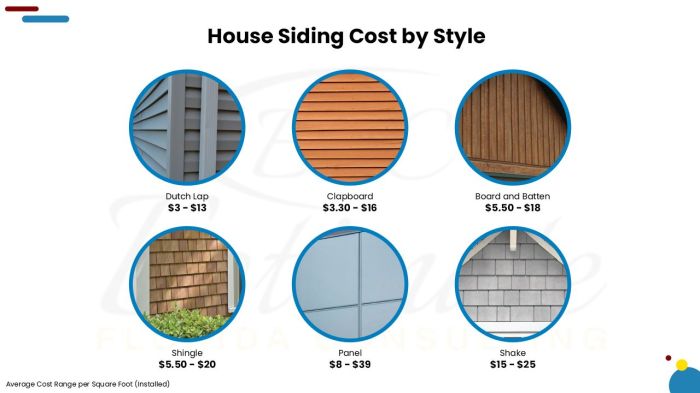
When considering new siding for your home, it's essential to understand the different types of materials available and how they impact the overall cost. Each siding material comes with its unique characteristics, cost range, durability, and maintenance requirements.
Vinyl Siding
Vinyl siding is one of the most popular choices due to its affordability and low maintenance. The average cost of vinyl siding ranges from $3 to $7 per square foot. It is durable, resistant to rot and insects, and comes in a variety of colors and styles.
However, it may not be as long-lasting as other materials and can crack or fade over time.
Wood Siding
Wood siding offers a natural and timeless look but comes at a higher cost compared to vinyl. The average cost of wood siding ranges from $6 to $10 per square foot. It requires more maintenance, such as regular painting or staining to protect it from the elements.
Wood siding is prone to rot, pests, and warping if not properly maintained.
Fiber Cement Siding
Fiber cement siding is a versatile option that combines the look of wood with the durability of cement. The average cost of fiber cement siding ranges from $5 to $12 per square foot. It is resistant to fire, rot, and pests, making it a low-maintenance choice.
However, installation costs can be higher due to its weight and specialized tools required.
Metal Siding
Metal siding, such as aluminum or steel, is known for its durability and resistance to weather elements. The average cost of metal siding ranges from $7 to $13 per square foot. It is lightweight, easy to maintain, and comes in various finishes.
However, metal siding can dent easily and may require repainting over time to prevent corrosion.
Labor Costs and Installation Expenses
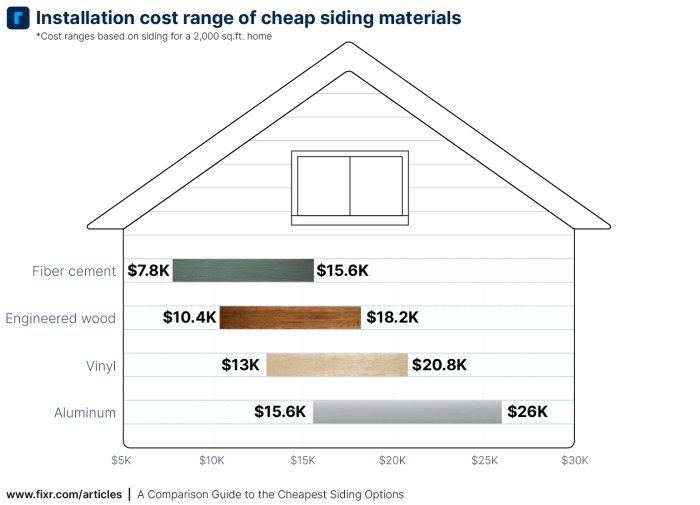
When it comes to new siding installation, labor costs play a significant role in the overall expenses. Let's break down the average labor costs involved and discuss how various factors can influence these expenses.
Breakdown of Labor Costs
- On average, labor costs for new siding installation can range from $40 to $70 per hour per worker.
- The total labor costs will depend on the size of the project and the number of workers required.
- Skilled labor, such as experienced siding installers, may charge higher rates than general laborers.
Factors Affecting Labor Expenses
- Project Complexity: More intricate siding designs or hard-to-reach areas can increase labor costs due to the additional time and effort required.
- Timeline: Urgent projects or tight deadlines may result in higher labor costs as workers may need to put in extra hours or work overtime.
- Location: Labor costs can vary depending on the region, with urban areas typically having higher rates compared to rural areas.
Additional Installation Expenses
- Equipment Rentals: In some cases, specialized equipment may be needed for the installation process, leading to additional expenses.
- Disposal Fees: Proper disposal of old siding materials or waste generated during the installation may incur additional costs, especially for large projects.
Cost Estimation Methods and Budgeting Tips
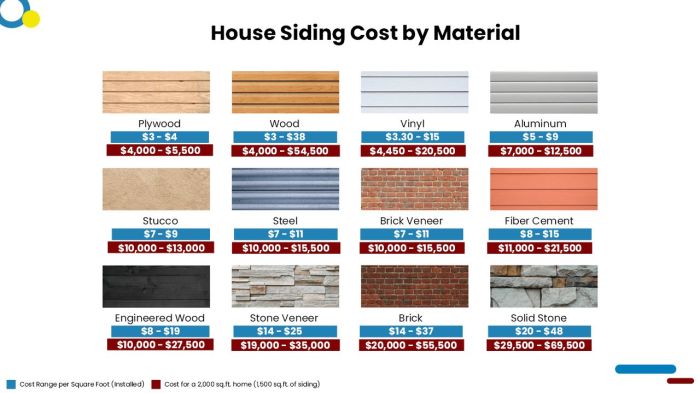
Estimating the total cost of new siding installation is crucial for effective budgeting and avoiding unexpected expenses. By following specific steps and tips, you can ensure a smooth and cost-effective siding project.
Estimation Steps
- Measure the area: Calculate the total square footage of the walls that need new siding. This measurement will help determine the amount of siding material required.
- Select siding material: Different siding materials come at varying costs. Choose the type of siding that fits your budget and preferences.
- Consider additional materials: Apart from siding, factor in costs for insulation, trim pieces, and any other necessary materials for installation.
- Get labor quotes: Obtain quotes from multiple contractors to compare labor costs. This will give you an idea of the overall installation expenses.
- Add contingency: Set aside a contingency fund for unexpected costs or changes in the project scope.
Budgeting Tips
- Set a realistic budget: Based on your estimation, create a budget that covers all aspects of the siding project, including materials, labor, and unforeseen expenses.
- Research cost-saving options: Look for deals on siding materials, consider DIY installation for certain tasks, or explore financing options to manage costs effectively.
- Negotiate with contractors: Don't hesitate to negotiate pricing with contractors. Getting multiple quotes allows you to leverage competitive pricing and choose the best offer.
- Plan for maintenance: Factor in long-term maintenance costs when budgeting for new siding. Choose durable materials that require minimal upkeep to save on future expenses.
Importance of Multiple Quotes
Obtaining multiple quotes from different contractors is essential for budgeting effectively and ensuring a fair price for your siding project. By comparing quotes, you can identify any discrepancies in pricing, evaluate the quality of services offered, and negotiate for a better deal.
This process helps you make an informed decision and avoid overpaying for new siding installation.
Final Review
In conclusion, understanding the average cost for new siding is key to planning a successful home renovation project. By considering factors like material choices, labor costs, and installation expenses, you can make informed decisions and stay within your budget. Use the insights from this guide to navigate the world of siding installation with confidence and ease.
FAQ Explained
What factors influence the average cost for new siding?
Key factors include material choice, labor costs, project scope, location, and contractor expertise.
What are the common types of siding materials and their cost variations?
Common materials include vinyl, wood, fiber cement, and metal, with varying cost ranges.
How can one estimate labor costs for new siding installation?
Labor costs can be estimated by considering project complexity, timeline, and additional expenses like equipment rentals.
What are some budgeting tips for new siding installation?
Effective budgeting tips include obtaining multiple quotes, negotiating with contractors, and planning for unexpected expenses.