
Embark on a journey into the realm of commercial property management, where every building has a story to tell and every decision shapes its future. This topic delves into the intricacies of managing commercial properties, offering insights and strategies for success.
Commercial property management is a complex yet rewarding field that requires a unique blend of skills and expertise. From overseeing maintenance to maximizing occupancy rates, property managers play a crucial role in ensuring the success of commercial properties.
Overview of Commercial Property Management
Commercial property management involves the operation, control, and oversight of real estate used for business purposes. This includes retail spaces, office buildings, industrial facilities, and other commercial properties.Effective commercial property management is crucial for maximizing the value of the property, ensuring tenant satisfaction, and maintaining a positive cash flow.
Professional property managers handle various tasks such as lease negotiations, maintenance, rent collection, tenant relations, and financial reporting.
Examples of Commercial Properties
- Retail Spaces: Shopping centers, strip malls, and standalone retail stores require management to attract and retain tenants, maintain common areas, and ensure a pleasant shopping experience for customers.
- Office Buildings: Managing office properties involves maintaining a professional environment, addressing tenant needs, and overseeing security and maintenance services.
- Industrial Facilities: Warehouses, manufacturing plants, and distribution centers need efficient management to handle complex operations, safety regulations, and tenant requirements.
Responsibilities of Commercial Property Managers
Commercial property managers play a crucial role in overseeing and managing various aspects of commercial properties to ensure smooth operations and maximize returns for property owners. Let's explore some key responsibilities of commercial property managers:
Property Maintenance and Enhancement
- Regularly inspecting the property to identify maintenance needs and coordinating repairs or upgrades to maintain the property's value.
- Implementing cost-effective maintenance strategies to enhance the property's appeal and functionality.
- Ensuring compliance with safety regulations and building codes to provide a safe environment for tenants and visitors.
Tenant Relations and Lease Agreements
- Handling tenant inquiries, concerns, and requests in a timely and professional manner to foster positive relationships.
- Negotiating lease agreements, renewals, and terminations to secure long-term tenants and maximize occupancy rates.
- Enforcing lease terms and regulations, collecting rent, and addressing any lease violations or disputes.
Best Practices in Commercial Property Management
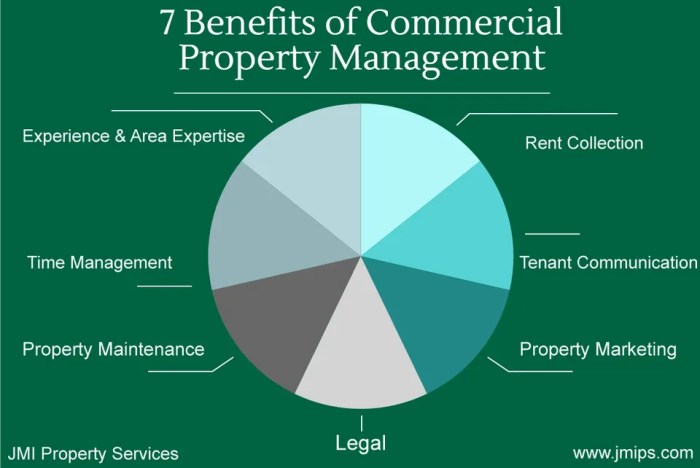
When it comes to managing commercial properties, there are several best practices that property managers can implement to ensure the smooth operation of the property and maximize returns for property owners.
Property Maintenance and Inspection
Proper maintenance and regular inspections are essential for keeping commercial properties in top condition and preventing costly repairs down the line. Some best practices for property maintenance and inspection include:
- Implementing a proactive maintenance schedule to address issues before they become major problems.
- Regularly inspecting the property for any signs of wear and tear, damage, or safety hazards.
- Promptly addressing maintenance issues reported by tenants to ensure tenant satisfaction and retention.
- Working with trusted vendors and contractors to perform quality repairs and maintenance work.
Maximizing Occupancy Rates
Keeping commercial properties occupied is crucial for generating rental income and maximizing returns for property owners
- Implementing effective marketing strategies to attract potential tenants and fill vacancies quickly.
- Offering competitive lease terms and incentives to attract and retain tenants.
- Maintaining good relationships with existing tenants to encourage lease renewals.
- Regularly reviewing market trends and adjusting rental rates to remain competitive in the market.
Effective Communication
Clear and open communication is key to successful commercial property management. Property managers must establish effective communication channels with tenants and property owners to ensure smooth operations. Here are some effective communication methods:
- Regularly updating tenants and property owners on property-related matters, such as maintenance schedules, lease agreements, and upcoming events.
- Being responsive to tenant inquiries and concerns to address issues promptly and maintain tenant satisfaction.
- Utilizing technology, such as property management software, to streamline communication and document sharing.
- Scheduling regular meetings with tenants and property owners to discuss property performance, upcoming projects, and any concerns or feedback.
Technology and Tools in Commercial Property Management
Technology plays a crucial role in modern commercial property management, offering numerous benefits in terms of efficiency, organization, and decision-making. Property management software, online platforms, and analytics tools have become essential in the industry.
Property Management Software
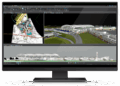
Property management software streamlines various tasks such as lease management, rent collection, maintenance tracking, and financial reporting. It centralizes data, automates processes, and provides real-time insights for better decision-making.
Online Platforms
- Online platforms facilitate communication between property managers, tenants, and vendors, enabling efficient collaboration and quick issue resolution.
- They also offer portals for tenants to submit maintenance requests, pay rent online, and access important documents, enhancing tenant satisfaction and retention.
Analytics Tools
Analytics tools help property managers analyze data related to occupancy rates, lease expirations, maintenance costs, and financial performance. This data-driven approach allows for predictive maintenance planning, optimized leasing strategies, and overall improved operational efficiency.
Final Conclusion
As we conclude our exploration of commercial property management, it becomes clear that effective management is the key to unlocking the full potential of any commercial property. By implementing best practices, utilizing modern technology, and fostering strong communication, property managers can navigate the challenges of this dynamic industry with confidence and success.
Detailed FAQs
What are the common responsibilities of commercial property managers?
Commercial property managers are responsible for overseeing property maintenance, handling tenant relations, and ensuring lease agreements are followed.
How can property managers maximize occupancy rates in commercial properties?
Property managers can maximize occupancy rates by implementing strategic marketing campaigns, offering competitive rental rates, and providing excellent tenant services.
What are some examples of commercial properties that require professional management?
Examples of commercial properties that require professional management include office buildings, retail centers, industrial complexes, and mixed-use developments.