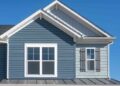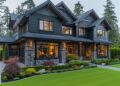

Step into the world of dark siding houses where elegance meets durability. Discover the allure of different materials, design considerations, maintenance tips, and energy efficiency insights that make dark siding a popular choice for homeowners.
Types of Dark Siding for Houses
When it comes to dark siding for houses, there are various materials to choose from, each with its own set of pros and cons. Let's explore some popular options in the market:
1. Vinyl Siding
Vinyl siding is a common choice for dark siding due to its affordability and low maintenance. It is available in a wide range of colors, including dark shades, and is resistant to rotting, fading, and insect damage. However, it may crack or warp over time, especially in extreme weather conditions.
2. Fiber Cement Siding
Fiber cement siding is another popular option known for its durability and fire resistance. It can be painted in dark colors and is resistant to rot, termites, and moisture. On the downside, it is heavier and more expensive than vinyl siding, requiring professional installation.
3. Wood Siding
Wood siding offers a natural and timeless look, especially in dark stains or paints. It can be easily customized and has good insulation properties. However, wood siding requires regular maintenance, including painting or staining to prevent rotting, warping, or insect infestations.
4. Metal Siding
Metal siding, such as steel or aluminum, is a durable and low-maintenance option for dark siding. It is resistant to fire, rot, and pests, making it a long-lasting choice. On the downside, metal siding can dent or scratch easily, and it may not provide the same level of insulation as other materials.
Design Considerations for Dark Siding Houses
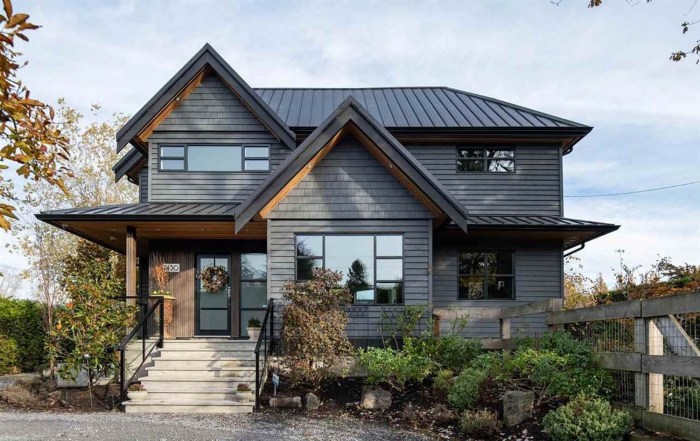
Dark siding can have a significant impact on the overall aesthetics of a house. It can create a bold and dramatic look, adding a sense of depth and sophistication to the exterior. However, it is essential to carefully consider several factors when choosing dark siding for your home.
Choosing the Right Color and Finish
When selecting a color for dark siding, consider the architectural style of your home and the surrounding environment. Dark colors like charcoal, navy, or forest green can complement modern designs, while deep browns or blacks may enhance more traditional or rustic homes.
Additionally, the finish of the siding, such as matte, satin, or glossy, can affect the overall appearance. Matte finishes offer a more subtle look, while glossy finishes can add a touch of elegance.
Enhancing Architectural Features
Dark siding can either enhance or detract from the architectural features of a house. It can highlight details like trim, windows, or unique textures, creating a visually striking contrast. On the other hand, dark siding may overpower or obscure certain elements if not chosen carefully.
Consider using lighter accents or trim to create balance and ensure that architectural features stand out against the dark backdrop.
Maintenance and Durability of Dark Siding
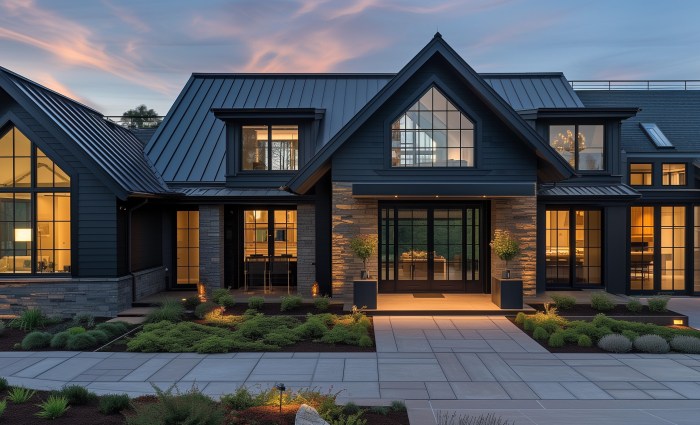
Dark siding requires regular maintenance to ensure its longevity and appearance. The level of maintenance needed may vary depending on the material used for the siding and the climate conditions it is exposed to. Additionally, the durability of dark siding materials can be influenced by factors such as UV exposure, moisture, and temperature fluctuations.
Maintenance Requirements for Dark Siding
Proper maintenance of dark siding involves regular cleaning to remove dirt, dust, and other debris that can accumulate on the surface. It is important to follow the manufacturer's guidelines for cleaning to avoid damaging the siding material. Additionally, inspecting the siding for any signs of damage, such as cracks or peeling paint, and addressing them promptly can help prevent further deterioration
Durability of Dark Siding Materials in Different Climates
The durability of dark siding materials can vary depending on the climate they are exposed to. For example, vinyl siding is known for its durability and resistance to moisture, making it suitable for humid climates. On the other hand, wood siding may require more maintenance in humid climates to prevent rot and mold growth.
In regions with extreme temperature fluctuations, such as hot summers and cold winters, siding materials like fiber cement or metal may offer better durability due to their resistance to warping and cracking.
Prolonging the Lifespan of Dark Siding on a House
To prolong the lifespan of dark siding on a house, it is important to take preventive measures such as applying a protective sealant or paint to enhance the durability of the material. Regular inspections and maintenance can help identify any issues early on and prevent them from worsening.
Additionally, ensuring proper ventilation behind the siding can help prevent moisture buildup, which can lead to mold and rot. Following the manufacturer's recommendations for maintenance and cleaning can also contribute to prolonging the lifespan of dark siding.
Energy Efficiency and Insulation with Dark Siding
When it comes to energy efficiency and insulation, the choice of dark siding for a house can play a significant role in how well the home retains heat and stays cool. Understanding the impact of dark siding on energy efficiency is crucial for homeowners looking to maximize the comfort of their living space while minimizing energy costs.
Impact of Dark Siding on Energy Efficiency
Dark siding absorbs more heat from the sun compared to lighter colors, which can lead to increased temperatures inside the house. This can result in higher cooling costs during hot summer months as the air conditioning works harder to maintain a comfortable indoor temperature.
On the flip side, dark siding can be beneficial in colder climates by absorbing heat and helping to warm the house naturally.
Insulation Options for Dark Siding Houses
- Consider adding extra insulation to the exterior walls of a dark siding house to help regulate indoor temperatures more effectively.
- Opt for insulated siding materials that provide an additional barrier against heat transfer, helping to keep the home cooler in the summer and warmer in the winter.
- Explore the option of installing a radiant barrier under the dark siding to reflect heat away from the house, reducing the amount of heat absorbed by the siding.
Tips for Optimizing Energy Efficiency with Dark Siding
- Plant trees or shrubs strategically around the house to provide natural shading and reduce the amount of direct sunlight hitting the dark siding.
- Ensure proper ventilation in the attic to prevent heat buildup, which can transfer to the interior walls and affect the overall temperature of the house.
- Consider installing energy-efficient windows and doors to further enhance the insulation properties of the home and reduce energy consumption.
Final Thoughts
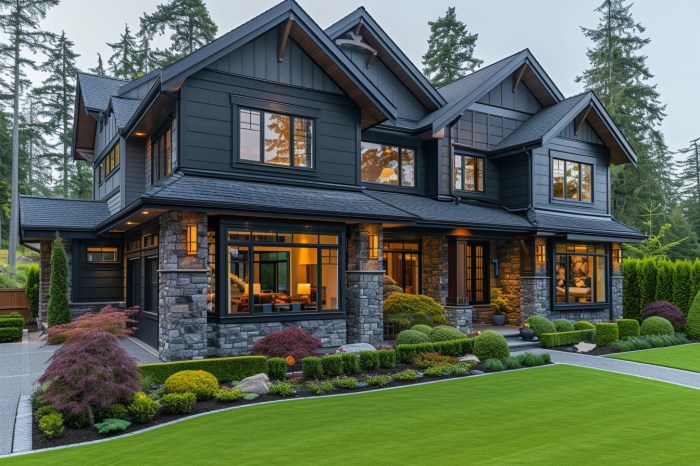
In conclusion, embracing dark siding can transform your home into a sophisticated sanctuary. With the right choices in materials, colors, and maintenance, your dark siding house will stand out for years to come. Dive into the realm of dark siding and elevate your home's exterior with style and substance.
Question & Answer Hub
What are the best materials for dark siding?
The best materials for dark siding include fiber cement, vinyl, and engineered wood.
How can I choose the right color for my dark siding house?
Consider the existing colors of your home, neighborhood guidelines, and personal preferences when choosing a color for your dark siding.
What maintenance does dark siding require?
Dark siding requires regular cleaning, inspection for damage, and occasional repainting or resealing.
Does dark siding affect energy efficiency?
Dark siding can absorb more heat, potentially increasing cooling costs in hot climates. Proper insulation and ventilation can help mitigate this issue.
How long can dark siding last on a house?
The lifespan of dark siding depends on the material used and maintenance practices, but with proper care, it can last for several decades.