
When it comes to enhancing the curb appeal and security of your home, front door installation plays a crucial role. From choosing the right type of door to the installation process and maintenance tips, this guide covers everything you need to know to make a well-informed decision.
Exploring the various types of front doors, factors to consider before installation, the installation process itself, and essential maintenance tips, this comprehensive guide is your go-to resource for all things front door-related.
Types of Front Doors
When it comes to front doors, there are several types to choose from, each with its own unique characteristics and benefits. The most common types include wooden, fiberglass, and steel front doors.
Wooden Front Doors
Wooden front doors are a classic choice known for their traditional and elegant appearance. They offer a warm and inviting look to any home. However, wooden doors require regular maintenance to prevent warping, cracking, or rotting. They are also more susceptible to damage from extreme weather conditions compared to other materials.
Fiberglass Front Doors
Fiberglass front doors are a popular choice for homeowners looking for a low-maintenance option. They are durable, energy-efficient, and can mimic the look of wood or other materials. Fiberglass doors are less likely to warp or crack, making them a suitable option for various climates.
However, they may not offer the same level of customization as wooden doors.
Steel Front Doors
Steel front doors are highly secure and offer excellent durability. They are resistant to dents, scratches, and other physical damage. Steel doors are energy-efficient and provide good insulation. However, they may lack the aesthetic appeal of wooden or fiberglass doors and can be prone to rust if not properly maintained.
Factors to Consider
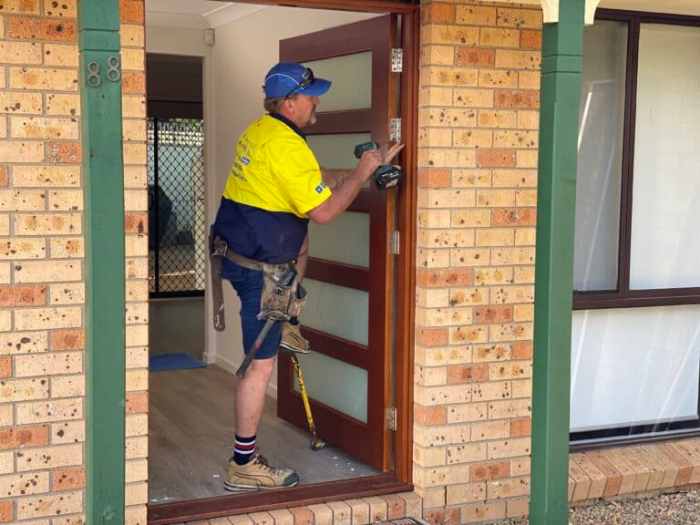
When installing a front door, there are several important factors to consider to ensure you choose the right door for your home. From accurate measurements to key security features, each detail plays a crucial role in the overall functionality and aesthetics of your front entrance.
Measuring the Door Frame
To guarantee a perfect fit, it is essential to measure the door frame accurately. Start by measuring the width of the door frame at the top, middle, and bottom, then record the height from the top of the sill to the underside of the head jamb.
These measurements will help you determine the right door size for installation.
Weather Resistance and Security Features
Weather resistance is a vital factor to consider when choosing a front door. Opt for a door that can withstand harsh weather conditions, such as extreme heat, cold, rain, or wind. Additionally, prioritize security features like a sturdy lock system, reinforced steel cores, and impact-resistant glass to enhance the safety of your home.
Installation Process
Installing a front door is a crucial step in enhancing the security and aesthetics of your home. Follow this step-by-step guide to ensure a successful installation.
Gather Tools and Materials
Before starting the installation process, make sure you have the following tools and materials ready:
- Measuring tape
- Screwdriver
- Level
- Hammer
- Shims
- Drill
- Screws
- New front door
Prepare the Doorway
- Measure the doorway to ensure the new door will fit properly.
- Remove the existing door, including the hinges and door frame.
- Clean and level the doorway to create a smooth surface for installation.
Adjust the Door for Smooth Operation
- Place the new door in the doorway and check for proper fit.
- Adjust the door hinges and frame as needed to ensure the door opens and closes smoothly.
- Use shims to secure the door in place and make any final adjustments.
Maintenance Tips
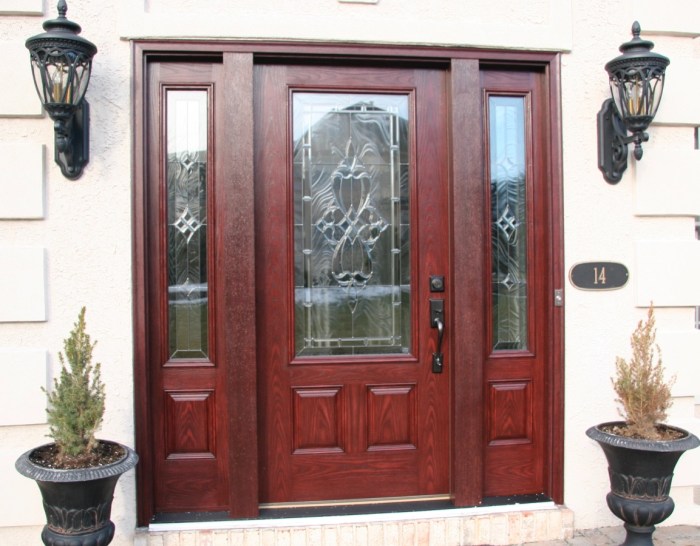
Regular maintenance is key to ensuring the longevity of your front door. By following some simple tips and addressing common issues promptly, you can keep your front door looking great and functioning properly for years to come.
Inspect and Clean Regularly
- Regularly inspect your front door for any signs of wear and tear, such as cracks, chips, or peeling paint.
- Keep the door clean by wiping it down with a mild detergent and water, especially if it is exposed to the elements.
- Check the weather-stripping and seals for any damage and replace them if needed to maintain energy efficiency.
Addressing Squeaking or Sticking Doors
- If your front door is squeaking, apply a lubricant to the hinges to reduce friction and noise.
- If the door is sticking, check for any debris or obstructions along the door frame and clean them out. You may also need to adjust the door's alignment.
- Consider sanding down any areas where the door is sticking to ensure smooth operation.
Protecting Against Moisture and Rot
- Regularly inspect the bottom of the door for signs of moisture or rot, especially if it is a wooden door.
- Apply a protective sealant or paint to prevent moisture from seeping into the door and causing damage.
- Ensure proper drainage around the door to prevent water from pooling near the threshold.
Summary
In conclusion, front door installation is not just about improving the aesthetics of your home but also enhancing its security and functionality. By following the steps Artikeld in this guide, you can ensure a smooth and successful installation process, keeping your front door looking and performing its best for years to come.
Query Resolution
What are the differences between wooden, fiberglass, and steel front doors?
Wooden doors offer a traditional look but may require more maintenance. Fiberglass doors are durable and low-maintenance. Steel doors provide excellent security but can be prone to dents.
How do I measure the door frame accurately for a perfect fit?
To measure accurately, start by measuring the width and height of the door frame opening. Consider factors like clearance for flooring and carpeting when measuring.
What tools and materials are needed for front door installation?
Tools like a drill, screwdriver, level, and materials such as shims, screws, and insulation are essential for front door installation.
How can I maintain my front door for longevity?
Regularly inspect and clean the door, keep it well-painted and sealed, and address any issues like squeaking or sticking promptly to ensure longevity.