
Embark on a journey through the realm of MicroStation, a powerful CAD software that has revolutionized the design industry. Discover its origins, features, and practical applications in various industries as we delve into the intricacies of this innovative tool.
Learn about the interface, tools, file formats, workflows, best practices, training resources, and more in this comprehensive guide to mastering MicroStation.
Introduction to MicroStation
MicroStation is a computer-aided design (CAD) software used primarily for creating and editing 2D and 3D designs, models, and drawings. It is widely utilized in various industries for architectural, engineering, and construction projects.MicroStation was developed by Bentley Systems in the 1980s and has since become a significant player in the CAD industry, known for its powerful tools and capabilities.
Its long history and continuous updates have made it a reliable choice for professionals working in design and drafting.
Industries Using MicroStation
- Architecture: Architects use MicroStation for creating detailed building plans and designs.
- Engineering: Engineers use MicroStation for designing infrastructure projects like roads, bridges, and railways.
- Construction: Contractors use MicroStation to visualize construction projects and create accurate models for building.
- Urban Planning: Urban planners utilize MicroStation for city design and layout projects.
Features of MicroStation
MicroStation is a powerful CAD software that offers a wide range of features, making it a popular choice among professionals in various industries. Let's delve into some key features that set MicroStation apart from other CAD software options.
2D and 3D Capabilities
MicroStation excels in both 2D and 3D design, allowing users to create detailed drawings and models with precision. Its robust tools enable users to work seamlessly in both dimensions, making it a versatile choice for projects that require a combination of 2D and 3D elements.
Collaboration Facilitation
One of the standout features of MicroStation is its ability to facilitate collaboration among team members. With its cloud-based platform and real-time editing capabilities, multiple users can work on the same project simultaneously, increasing efficiency and streamlining communication. This feature is particularly beneficial for large-scale projects that involve multiple stakeholders spread across different locations.
Interface and Tools
When working with MicroStation, users interact with a well-organized and intuitive interface that facilitates the design and drafting process. The interface is designed to maximize productivity and efficiency, allowing users to focus on their projects without unnecessary distractions.
User Interface of MicroStation
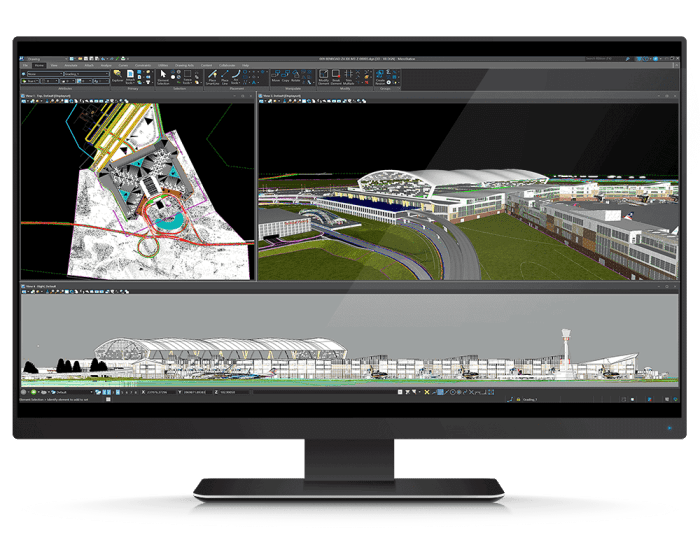
The user interface of MicroStation consists of a menu bar, toolbars, task navigation tools, and various panels that can be customized to suit individual preferences. The workspace is clean and uncluttered, providing ample space for creating and editing designs. Users can easily access commonly used tools and commands, making it easy to navigate the software.
Essential Tools in MicroStation
Drawing tools
MicroStation offers a wide range of drawing tools such as lines, circles, arcs, and polygons, enabling users to create precise and detailed designs.
Modification tools
Tools like move, rotate, scale, and mirror allow users to manipulate and edit elements within their designs with ease.
Annotation tools
MicroStation provides tools for adding text, dimensions, and annotations to designs, ensuring clear communication of design intent.
Viewing tools
Users can control the view of their designs using tools like zoom, pan, and rotate, allowing for a comprehensive analysis of the project.
Customization Options in MicroStation
MicroStation offers extensive customization options for the interface, allowing users to tailor the software to their specific needs and preferences. Users can create custom toolbars, assign shortcuts to commands, and adjust the layout of the workspace to optimize their workflow.
This level of customization sets MicroStation apart from other CAD software, providing users with a personalized and efficient working environment.
File Formats and Compatibility
When working with MicroStation, it is essential to understand the supported file formats and compatibility with other CAD programs to ensure seamless collaboration and sharing of files.
File Formats Supported by MicroStation
MicroStation supports various file formats, including DGN (MicroStation Design File), DWG (AutoCAD Drawing), DXF (Drawing Exchange Format), and more. These formats allow users to import, export, and work on projects across different platforms and software.
Compatibility with Other CAD Programs
MicroStation files are compatible with many CAD programs, such as AutoCAD, Revit, and SolidWorks. However, it is crucial to note that there may be some limitations or differences in functionality when opening MicroStation files in other software. It is recommended to double-check the compatibility and test files before sharing them with users of different CAD programs.
Tips for Ensuring Compatibility
- Save files in common file formats like DWG or DXF when sharing with users of different CAD software.
- Avoid using advanced features or functionalities that may not be supported by other CAD programs.
- Provide clear instructions or guidelines for users importing MicroStation files into their software to prevent any compatibility issues.
- Regularly communicate with team members or collaborators using different CAD programs to address any compatibility issues proactively.
Workflows and Best Practices
When using MicroStation for a design project, it is essential to follow a typical workflow to ensure efficiency and accuracy in your work. By incorporating best practices, you can optimize your design process and streamline your workflow.
Optimizing Efficiency in MicroStation
Here are some best practices to consider when working with MicroStation:
- Organize your design files systematically to easily locate and access them when needed.
- Utilize keyboard shortcuts to speed up your workflow and reduce the time spent on repetitive tasks.
- Take advantage of MicroStation's customization options to tailor the interface and tools to your specific needs.
- Regularly save your work to prevent data loss and ensure continuity in your design process.
Streamlining Design Processes with MicroStation
MicroStation offers various features that can help streamline design processes and improve efficiency. For example:
- Utilizing parametric modeling tools can help you create complex designs quickly and accurately.
- Integration with other software applications allows for seamless collaboration and data exchange between different platforms.
- Using 3D visualization tools can enhance the presentation of your designs and provide a better understanding of the project.
- Automating repetitive tasks through macros or scripts can save time and reduce errors in your design process.
Training and Resources
When it comes to learning MicroStation, there are various resources available to help you master this powerful software. From online courses to official documentation, you have plenty of options to choose from.
Available Resources for Learning MicroStation
- Official Bentley Institute Training: Bentley Systems, the creator of MicroStation, offers a range of training courses designed to help users learn the ins and outs of the software. These courses cover everything from basic to advanced topics, making them ideal for users of all skill levels.
- Online Tutorials and Forums: There are numerous online tutorials and forums where users can find helpful tips, tricks, and support from the MicroStation community. Websites like YouTube and forums like the Bentley Communities are great places to start.
- Books and Manuals: If you prefer learning from written materials, there are also plenty of books and manuals available that cover various aspects of MicroStation in detail. These resources can be great references as you work through different projects.
Importance of Training and Certification in MicroStation
Training and certification play a crucial role in mastering MicroStation. By undergoing formal training and obtaining certification, you can showcase your expertise and proficiency in using the software. This not only enhances your credibility but also opens up new career opportunities in the field of CAD and design.
Tips for Beginners on How to Get Started with Learning MicroStation Effectively
- Start with the Basics: Begin by familiarizing yourself with the interface, tools, and basic functionalities of MicroStation. Understanding the fundamentals is key to building a strong foundation.
- Practice Regularly: The more you practice using MicroStation, the more comfortable you will become with the software. Try working on small projects or exercises to improve your skills.
- Seek Help and Support: Don't hesitate to reach out to online forums, communities, or even colleagues for help when you encounter challenges. Learning from others' experiences can be invaluable.
- Stay Updated: MicroStation is constantly evolving, with new features and updates being released regularly. Make sure to stay informed about the latest developments to enhance your knowledge and skills.
Conclusion
In conclusion, MicroStation stands as a beacon of efficiency and precision in the world of design. With its robust features and user-friendly interface, it empowers professionals to bring their creative visions to life seamlessly. Dive into the world of MicroStation and unlock a universe of possibilities for your design projects.
Question Bank
What industries commonly use MicroStation?
MicroStation is frequently used in industries such as architecture, engineering, construction, and geospatial mapping.
How does MicroStation facilitate collaboration among team members?
MicroStation enables seamless collaboration through its cloud-based sharing features and real-time editing capabilities.
What are some best practices for optimizing efficiency with MicroStation?
Utilize keyboard shortcuts, customize tool palettes, and regularly update your workspace to streamline your workflow in MicroStation.