
Property management software has completely transformed the way properties are managed, offering a seamless solution for property managers. From simplifying tasks to enhancing operational efficiency, this software is a game-changer in the real estate industry. Let's delve deeper into the world of property management software and explore its key aspects.
Definition of Property Management Software
Property management software is a specialized tool designed to help property managers oversee their real estate properties efficiently. It provides a centralized platform to manage various tasks related to property operations, tenant management, financial tracking, and more.
Primary Functions of Property Management Software
- Automating rent collection processes
- Tracking maintenance requests and work orders
- Generating financial reports and statements
- Managing lease agreements and tenant information
How Property Management Software Streamlines Tasks
Property management software streamlines tasks for property managers by simplifying complex processes and providing a comprehensive overview of property operations in one place. It eliminates the need for manual record-keeping and helps in improving efficiency and productivity.
Examples of Popular Property Management Software
- AppFolio Property Manager
- Buildium
- Yardi Breeze
- Rent Manager
Key Features of Property Management Software
Property management software is equipped with various features that streamline the management of properties, tenants, leases, and maintenance tasks. These key features are essential for efficient property management and can vary based on the software provider.
Online Payments and Rent Collection
- Allow tenants to pay rent online through various payment methods.
- Automate rent collection and late fee charges.
- Track payment history and generate reports for financial analysis.
Lease Management
- Store lease agreements digitally and track lease terms and renewals.
- Automate lease reminders and notifications for upcoming expirations.
- Manage lease documents and tenant communications efficiently.
Maintenance Tracking
- Create work orders for maintenance requests and track their progress.
- Assign tasks to maintenance staff and vendors for timely resolution.
- Maintain a log of maintenance history for each property unit.
Tenant and Owner Portals
- Provide tenants with access to their accounts, payment history, and maintenance requests.
- Offer owners visibility into property performance, financial reports, and communication.
- Enhance transparency and communication between all parties involved.
Accounting and Reporting
- Track income and expenses for each property and generate financial statements.
- Automate accounting processes such as budgeting, forecasting, and tax calculations.
- Customize reports based on specific requirements and metrics.
Benefits of Using Property Management Software
Property management software offers a wide range of benefits for property owners and managers, revolutionizing the way they handle their properties and tenants.
Improved Tenant Communication and Satisfaction
Property management software allows for streamlined communication with tenants through automated messaging, notifications, and online portals. This leads to quicker response times, efficient issue resolution, and ultimately higher tenant satisfaction.
Increased Operational Efficiency
- Automated rent collection and financial tracking reduce manual errors and save time for property managers.
- Centralized property data and document storage ensure easy access to important information at any time.
- Task automation and reminders help in managing maintenance requests, lease renewals, and other important deadlines efficiently.
- Reporting and analytics tools provide valuable insights into property performance, helping in making informed decisions and maximizing profits.
Implementation and Integration of Property Management Software
Implementing and integrating property management software is crucial for ensuring efficient operations and maximizing the benefits of the system. It involves setting up the software, integrating it with existing systems, and training staff to effectively use it.
Guidelines for Successful Implementation
Implementing property management software requires careful planning and execution. Here are some guidelines to ensure successful implementation:
- Define clear objectives and goals for the software implementation.
- Allocate dedicated resources, including personnel and time, for the implementation process.
- Customize the software to suit the specific needs and requirements of your property management business.
- Train staff on how to use the software effectively and provide ongoing support.
- Regularly review and evaluate the implementation process to identify any issues and make necessary adjustments.
Importance of Integration with Other Systems
Integrating property management software with other systems, such as accounting software and online booking platforms, is essential for streamlining processes and improving overall efficiency. Some key benefits of integration include:
- Automating data transfer between systems to eliminate manual data entry and reduce errors.
- Improving data accuracy and consistency across different platforms.
- Enhancing communication and collaboration between departments by providing access to real-time information.
- Increasing productivity and saving time by eliminating the need to switch between multiple systems.
Best Practices for Training Staff
Training staff on how to effectively use property management software is crucial for maximizing its benefits. Here are some best practices for training staff:
- Provide comprehensive training sessions that cover all aspects of the software, including basic functions and advanced features.
- Offer hands-on training and practical exercises to ensure staff can apply their knowledge in real-world scenarios.
- Assign dedicated trainers or mentors to provide ongoing support and assistance to staff as they learn to use the software.
- Create training materials, such as user guides and video tutorials, to help staff access resources and troubleshoot issues independently.
Security and Data Protection in Property Management Software
Data security is of utmost importance in property management software as it deals with sensitive information such as tenant details, financial records, and property maintenance schedules. Ensuring the protection of this data is crucial to prevent unauthorized access, data breaches, or loss of information.
Importance of Data Security
Implementing robust data security measures in property management software is essential to safeguard sensitive information and maintain the trust of clients and tenants. Without adequate security, the risk of data breaches, identity theft, and financial fraud increases significantly.
Measures for Data Protection
- Encryption: Utilizing encryption techniques to secure data both in transit and at rest, ensuring that only authorized users can access sensitive information.
- Access Control: Implementing role-based access control to restrict data access based on user roles and permissions, reducing the risk of data misuse.
- Regular Data Backups: Conducting regular backups of data to prevent data loss in the event of system failures, cyberattacks, or accidental deletions.
- Firewall Protection: Installing firewalls to monitor and control incoming and outgoing network traffic, preventing unauthorized access to the system.
- Security Audits: Conducting regular security audits to identify vulnerabilities, assess risks, and implement necessary security updates and patches.
Security Features in Property Management Software
- Two-Factor Authentication: Adding an extra layer of security by requiring users to provide two forms of identification before accessing the system.
- Audit Trails: Tracking user activities within the software to monitor changes, detect suspicious behavior, and maintain accountability.
- Data Masking: Concealing sensitive data fields to prevent unauthorized users from viewing or accessing confidential information.
- Secure Hosting: Choosing a reputable and secure hosting provider to ensure data is stored in a safe and protected environment.
Outcome Summary
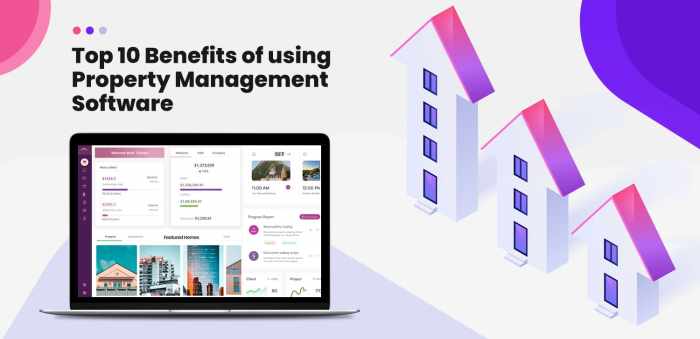
In conclusion, property management software is an invaluable tool for property owners and managers, revolutionizing the way properties are managed. With its innovative features and benefits, it has become a must-have in today's competitive real estate market. Embrace the power of property management software and take your property management to new heights.
User Queries
What are the primary functions of property management software?
Property management software helps in managing tasks such as rent collection, maintenance requests, and tenant communication efficiently.
How can property management software improve tenant communication?
Property management software provides a platform for easy communication, timely responses, and efficient issue resolution, enhancing tenant satisfaction.
What are some popular property management software in the market?
Popular property management software includes Buildium, AppFolio, and Yardi, known for their comprehensive features and user-friendly interfaces.
How can property management software increase operational efficiency?
By automating tasks, providing real-time data, and streamlining processes, property management software significantly improves operational efficiency for property managers.
What are the key features that property management software should have?
Essential features include rent payment processing, maintenance tracking, lease management, tenant portals, and financial reporting capabilities.