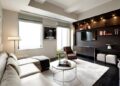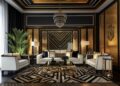

Embark on a journey of creativity and functionality with our room design ideas, where every corner comes alive with purpose and style. Whether you're looking to revamp your bedroom, living room, or home office, this guide promises to inspire and guide you through the intricate art of interior design.
From optimizing room layouts to selecting the perfect color schemes, this comprehensive overview will equip you with the knowledge needed to transform your living spaces into personalized havens of comfort and beauty.
Room Layout Ideas
When designing a room layout, it is essential to consider not only the aesthetics but also the functionality and flow of the space. The layout can greatly impact how you use the room and the overall feel of the space.
Here, we will explore different room layout designs for bedrooms, living rooms, or home offices, and discuss the importance of considering traffic flow and functionality in the design process.
Open-Concept Layouts vs. Traditional Closed Layouts
Open-concept layouts have gained popularity in recent years for their spacious and airy feel. By removing walls and barriers, open-concept layouts create a seamless flow between different areas of the home, making the space feel larger and more connected. This layout is perfect for those who enjoy entertaining or want a more modern and flexible living space.On the other hand, traditional closed layouts offer more privacy and defined spaces within a home.
By having separate rooms with walls and doors, you can create distinct areas for different activities, providing a sense of coziness and intimacy. Traditional layouts are great for those who prefer a more formal and structured living environment.Ultimately, the choice between an open-concept and traditional closed layout depends on your lifestyle, preferences, and the overall vibe you want to create in your home.
Both layouts have their advantages and can be tailored to suit your needs and style. Consider factors such as the size of the space, the natural flow of traffic, and how you plan to use the room when deciding on the layout design.
Color Scheme Selection
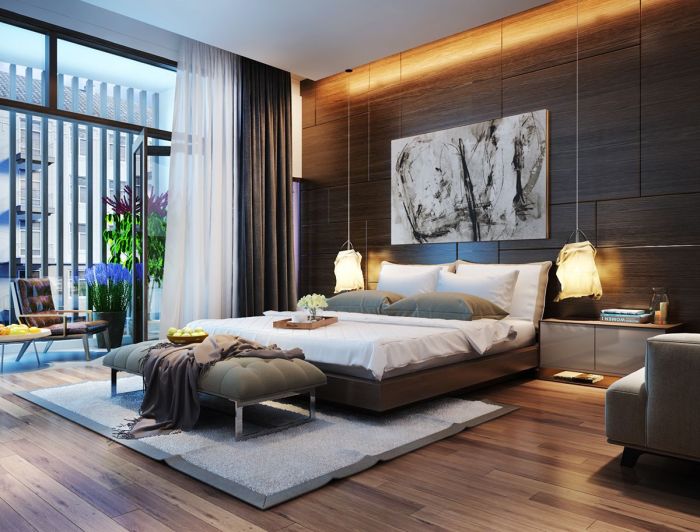
Choosing the right color scheme for a room can significantly impact its overall look and feel. Factors such as room size, natural light, and desired atmosphere play a crucial role in determining the perfect color palette.When selecting colors for a room, it is essential to consider the following:
Room Size, Natural Light, and Desired Atmosphere
- For small rooms, light colors like whites, pastels, or soft neutrals can create an illusion of space and make the room feel more open and airy.
- In contrast, dark colors can make a large room feel cozier and more intimate.
- Rooms with ample natural light can handle both light and dark colors well, while rooms with limited natural light may benefit from lighter shades to brighten up the space.
- The desired atmosphere of the room should also influence color choices. Warm colors like reds, oranges, and yellows can create a cozy and inviting feel, while cool colors like blues and greens promote a sense of calm and relaxation.
Understanding the psychological effects of different colors is also crucial in room design:
Psychological Effects of Different Colors
- Red:Stimulates energy and passion, making it ideal for spaces where activity and excitement are desired.
- Blue:Promotes calmness and tranquility, perfect for bedrooms or areas meant for relaxation.
- Yellow:Evokes happiness and positivity, suitable for kitchens, dining rooms, or any space where a cheerful vibe is needed.
- Green:Symbolizes growth and harmony, making it a great choice for spaces that aim to create a sense of balance and nature.
Tips for combining multiple colors in a cohesive way include:
Combining Multiple Colors
- Use the 60-30-10 rule: 60% of a dominant color, 30% of a secondary color, and 10% of an accent color to achieve a balanced and harmonious look.
- Consider using a color wheel to find complementary or analogous colors that work well together.
- Experiment with different shades and tones of the same color to add depth and interest to the room.
- Introduce patterned fabrics or artwork that incorporate all the colors in the room to tie everything together seamlessly.
Furniture Arrangement Tips
When it comes to designing a room, the arrangement of furniture plays a crucial role in maximizing space and creating a comfortable environment. Proper furniture arrangement can transform a room and enhance its functionality. Here are some tips to help you make the most out of your space:Discuss the significance of focal points in room design and how to highlight them with furniture:
Highlighting Focal Points
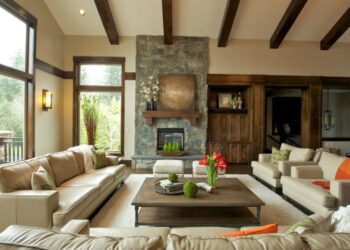
In room design, focal points are key elements that draw attention and create visual interest. It could be a fireplace, a large window with a view, or a piece of artwork. To highlight focal points, position your furniture in a way that directs the eye towards them.
For example, if you have a fireplace as a focal point, arrange your seating around it to make it the center of attention.
Share creative ideas for small spaces or awkwardly shaped rooms:
Creative Solutions for Small Spaces
- Use multifunctional furniture: Opt for pieces that serve more than one purpose, such as a sofa bed or a storage ottoman.
- Utilize vertical space: Install shelves or wall-mounted storage to free up floor space and make the room feel larger.
- Choose furniture with legs: Furniture raised off the floor creates a sense of openness and makes the room appear less cramped.
- Create zones: Divide the room into different functional areas using rugs, furniture placement, or room dividers to make the most of the space.
Lighting Strategies
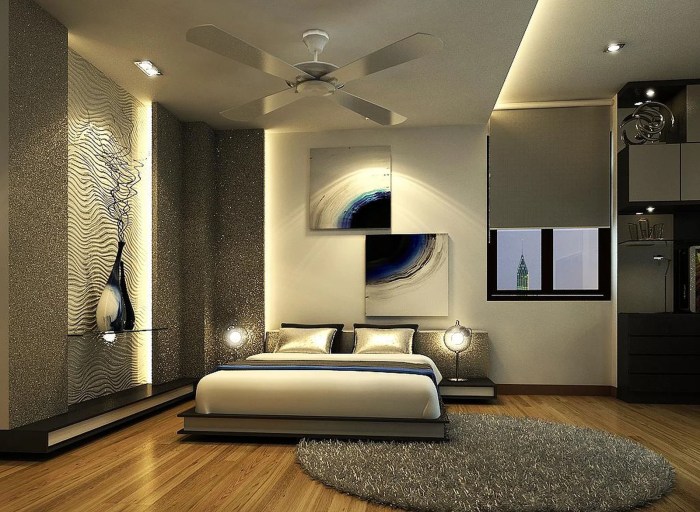
When it comes to room design, lighting plays a crucial role in creating the right ambiance, enhancing functionality, and highlighting key elements within the space. Understanding the different types of lighting sources and how to layer them effectively can significantly impact the overall design of a room.
Importance of Various Lighting Sources
There are three main types of lighting sources that are essential in room design:
- Ambient lighting: This provides overall illumination to the room, ensuring that there are no dark corners and creating a comfortable and inviting atmosphere.
- Task lighting: Task lighting is focused on specific areas where activities such as reading, cooking, or working take place. It helps to prevent eye strain and improve productivity.
- Accent lighting: Accent lighting is used to highlight architectural features, artwork, or specific objects in the room, adding depth and visual interest.
Layering Lighting for Functionality and Aesthetics
Layering lighting involves combining different types of lighting sources to create a well-balanced and visually pleasing environment. By incorporating ambient, task, and accent lighting, you can achieve both functionality and aesthetics within a room. For example, you can use recessed lights for ambient lighting, a desk lamp for task lighting, and wall sconces for accent lighting to create a layered effect.
Examples of Lighting Fixtures
There are various lighting fixtures that can enhance different room designs:
| Fixture Type | Room Design |
|---|---|
| Chandeliers | Formal dining rooms or entryways |
| Pendant Lights | Kitchen islands or dining areas |
| Floor Lamps | Living rooms or reading nooks |
| Track Lighting | Art galleries or home offices |
Conclusion
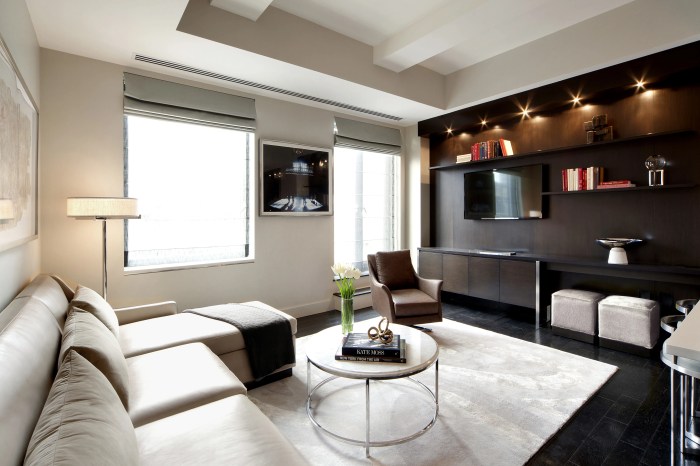
In conclusion, room design ideas offer a gateway to express your unique personality through the language of decor. With the right blend of creativity and practicality, your home can truly become a reflection of your individual style and taste. Let these ideas be the catalyst for a home that not only looks stunning but also feels like a true sanctuary.
Essential FAQs
How important is traffic flow in room layout design?
Considering traffic flow is crucial as it determines the functionality and accessibility of the space, ensuring a seamless experience for inhabitants.
What should I consider when choosing a color scheme?
Factors such as room size, natural light, and the desired atmosphere play a key role in selecting an appropriate color scheme that enhances the overall aesthetics.
How can I arrange furniture to maximize space?
Arranging furniture strategically, considering focal points and comfort, can help optimize the available space and create a harmonious layout.
What are the different types of lighting sources to consider?
Ambient, task, and accent lighting are essential to create a well-lit space that combines functionality and aesthetics for a visually appealing room design.