
Vinyl siding installers near me sets the stage for this enthralling narrative, offering readers a glimpse into a story that is rich in detail and brimming with originality from the outset.
When it comes to enhancing your home with vinyl siding, finding the right installer is crucial. From researching reputable sources to preparing for installation, this guide covers everything you need to know about vinyl siding installers near you.
Researching Vinyl Siding Installers
When researching vinyl siding installers, it is essential to consider several factors to ensure you hire a reputable and reliable professional. Here are some key points to keep in mind:
What to Look for When Researching Vinyl Siding Installers
- Experience: Look for installers with a proven track record in installing vinyl siding.
- License and Insurance: Verify that the installer is properly licensed and insured to protect yourself from liability.
- References: Ask for references from past clients and follow up to gauge the quality of their work.
- Warranty: Inquire about the warranty offered on the installation to ensure you are covered in case of any issues.
- Communication: Choose a contractor who communicates effectively and is responsive to your questions and concerns.
Sources to Find Local Vinyl Siding Installers
- Local Business Directories: Check local directories or online listings for vinyl siding installers in your area.
- Online Reviews: Websites like Yelp, Angie's List, and Google Reviews can provide valuable insights into the reputation of installers.
- Referrals: Ask friends, family, or neighbors for recommendations on reputable vinyl siding installers they have worked with in the past.
- Manufacturer Websites: Some vinyl siding manufacturers have directories of certified installers that you can search through.
Importance of Reading Reviews and Checking References
Reading reviews and checking references before hiring a vinyl siding installer is crucial to ensure you are making the right choice. Reviews can give you an idea of the installer's reputation, while references allow you to hear directly from past clients about their experiences.
This information can help you make an informed decision and avoid any potential issues during the installation process.
Comparing Vinyl Siding Materials
When it comes to choosing vinyl siding materials for your home, it's essential to understand the different options available to make an informed decision. Here, we will explore the various types of vinyl siding materials, their pros and cons, and provide recommendations based on climate and budget.
Types of Vinyl Siding Materials
- Traditional Vinyl Siding:This is the most common type of vinyl siding, known for its affordability and durability. It comes in a wide range of colors and styles, making it a versatile option for many homeowners.
- Insulated Vinyl Siding:This type of vinyl siding includes a layer of insulation that can improve energy efficiency and provide better protection against the elements. While it tends to be more expensive, the long-term savings on energy bills may outweigh the initial cost.
- Engineered Wood Siding:This alternative to traditional vinyl siding combines wood fibers and resin to create a durable and low-maintenance material. It offers a natural look without the drawbacks of real wood, such as rotting or warping.
Pros and Cons of Each Type
- Traditional Vinyl Siding:
- Pros: Affordable, durable, easy to maintain, versatile in design options.
- Cons: Prone to cracking in extreme temperatures, color may fade over time.
- Insulated Vinyl Siding:
- Pros: Improved energy efficiency, better protection against the elements, potential long-term savings on energy bills.
- Cons: Higher initial cost, installation may require professional help.
- Engineered Wood Siding:
- Pros: Durable, low-maintenance, natural look without the drawbacks of real wood.
- Cons: Higher initial cost compared to traditional vinyl siding, may not withstand extreme weather conditions as well as other materials.
Recommendations Based on Climate and Budget
When choosing the best vinyl siding material for your home, consider the climate of your area and your budget constraints.
- Cold Climate:Insulated vinyl siding may be the best option to improve energy efficiency and provide better insulation against harsh winters.
- Warm Climate:Traditional vinyl siding could be a suitable choice due to its affordability and versatility in design options.
- Budget-Friendly Option:If budget is a significant factor, traditional vinyl siding is a cost-effective solution that still offers durability and aesthetic appeal.
Hiring the Right Vinyl Siding Installer
When it comes to selecting a vinyl siding installer, there are several key qualities to consider to ensure you hire the right professional for the job. Verifying licenses and insurance is crucial to protect yourself and your property. Additionally, negotiating pricing and having a written contract in place can help avoid any misunderstandings down the line.
Qualities to Consider when Selecting a Vinyl Siding Installer
- Experience: Look for installers with a proven track record and years of experience in the industry.
- Reputation: Check online reviews and ask for references to gauge the installer's reputation.
- Quality of Work: Inspect previous projects or ask for a portfolio to assess the quality of their work.
- Communication: Ensure the installer communicates effectively and is responsive to your inquiries.
- Professionalism: A good installer should be punctual, respectful, and courteous throughout the project.
Importance of Verifying Licenses and Insurance
Before hiring a vinyl siding installer, it is essential to verify their licenses and insurance to protect yourself from any liability in case of accidents or damages. A licensed and insured installer gives you peace of mind knowing that they are qualified and covered in case of any unforeseen circumstances.
Tips on Negotiating Pricing and Getting a Written Contract
- Get Multiple Quotes: Compare quotes from different installers to ensure you are getting a fair price.
- Negotiate Scope of Work: Clearly define the scope of work and negotiate pricing based on the specifics of the project.
- Ask for a Written Contract: Have a detailed written contract that Artikels the scope of work, timeline, payment schedule, and any warranties or guarantees.
- Clarify Payment Terms: Make sure payment terms are clear and agreed upon before the project begins to avoid any disputes later on.
Preparing for Vinyl Siding Installation
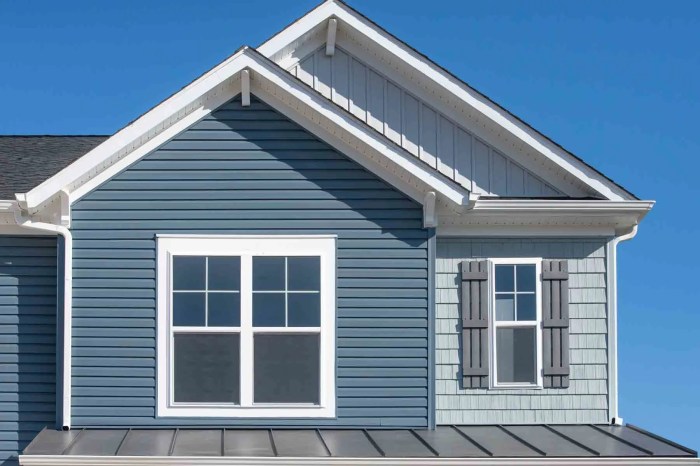
When preparing for vinyl siding installation, homeowners should take certain steps to ensure a smooth and successful project. This includes getting the necessary permits, clearing the work area, and communicating with the installer about any specific requirements.
Timeline of a Typical Vinyl Siding Installation Project
- Day 1: The old siding is removed, and any necessary repairs to the exterior walls are made.
- Day 2-3: The new vinyl siding is installed, starting from the bottom and working upwards.
- Day 4: Finishing touches and cleanup are completed, and a final inspection is done.
Minimizing Disruptions During the Vinyl Siding Installation Process
- Communicate with the installer about your schedule and any specific requirements you may have.
- Cover any fragile items near the work area to protect them from dust and debris.
- Consider temporarily relocating pets or children during the installation to ensure their safety.
- Plan for alternative parking arrangements if access to your driveway will be restricted during the project.
Ultimate Conclusion
In conclusion, the quest for top-rated vinyl siding installers near you is an important step in transforming your home. By following the tips and guidelines Artikeld in this guide, you can ensure a smooth and successful siding installation process.
FAQ Summary
What should I look for when researching vinyl siding installers?
When researching vinyl siding installers, focus on their experience, reputation, and previous work quality. Look for certifications and warranties as well.
How can I minimize disruptions during the vinyl siding installation process?
To minimize disruptions, plan ahead by clearing the work area, securing pets, and communicating with the installers about any specific concerns you may have.
Why is it important to verify licenses and insurance before hiring a vinyl siding installer?
Verifying licenses and insurance ensures that the installer is qualified and protects you from liability in case of any accidents or damages during the installation.